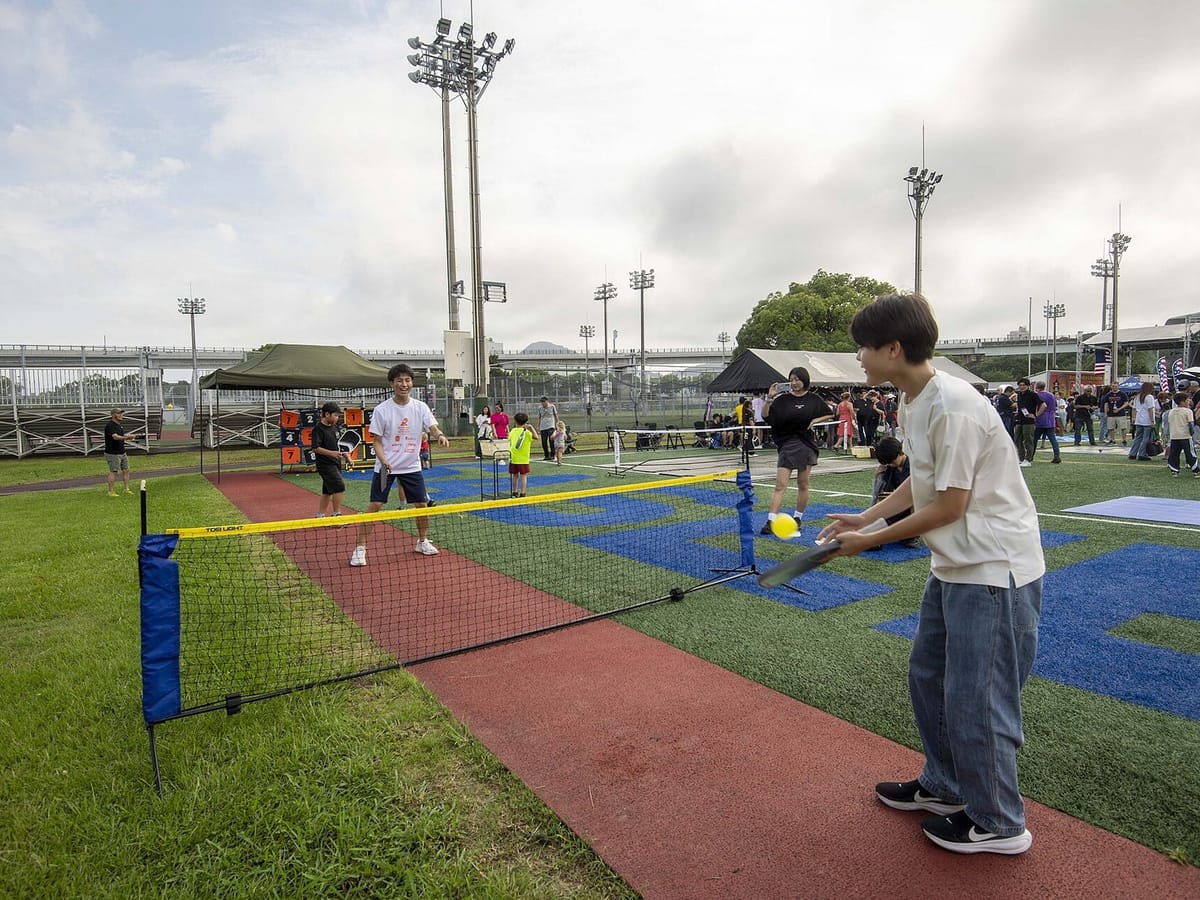
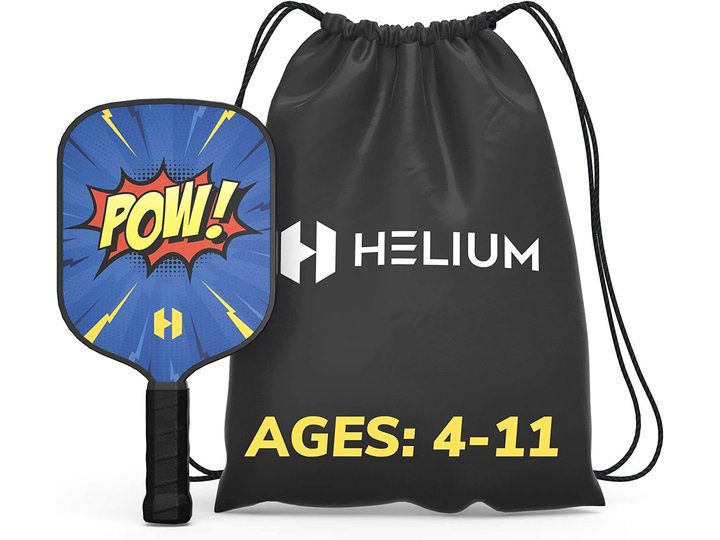
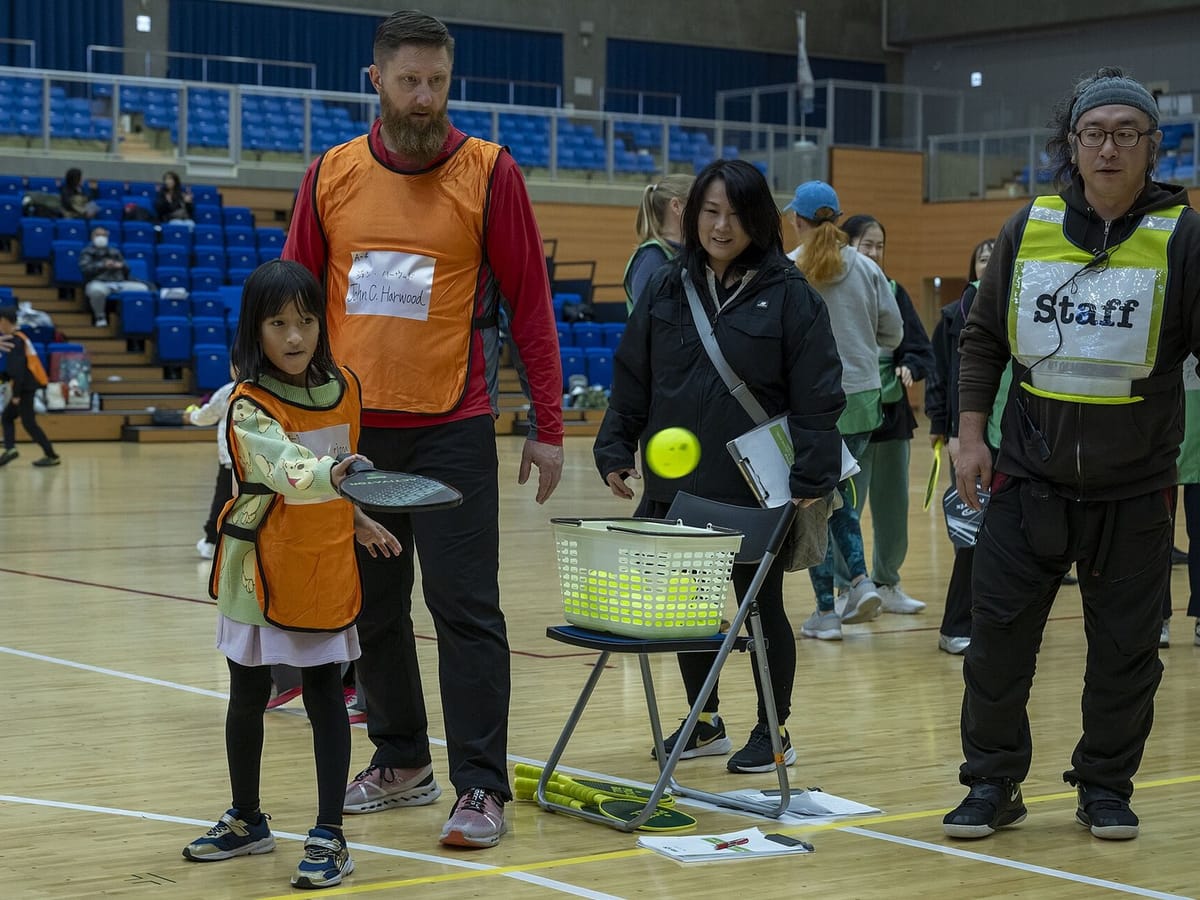
A child with an adult paddle is holding a frying pan. Kids need a shorter, lighter paddle with a grip their hand closes around, and a teen needs a full-size paddle that doesn't weigh 8.5 ounces. Paddles by age, and sets for a household starting together.
Size by the hand, not the age
Ages are a guide. The test is whether the child's fingers wrap the grip with the thumb overlapping, and whether they can hold the paddle out level for a count of ten.
About 6 oz, 3.5 in grip
Small kids, 4 to 8
A short paddle with a tiny grip. Approval doesn't matter; swinging it does.
7 to 7.5 oz, 15 in long
Kids, 8 to 12
A junior version of an adult paddle: shorter, lighter, thinner core, a handle their hand fits.
7.5 to 8 oz, full size
Teens
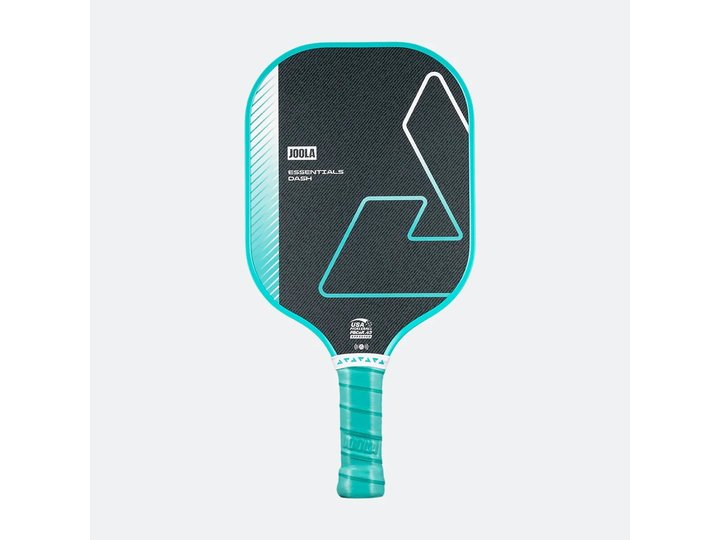
A light adult paddle. Look for a thin core and a 4 to 4.25 inch grip; a teen outgrows a youth paddle in a season.
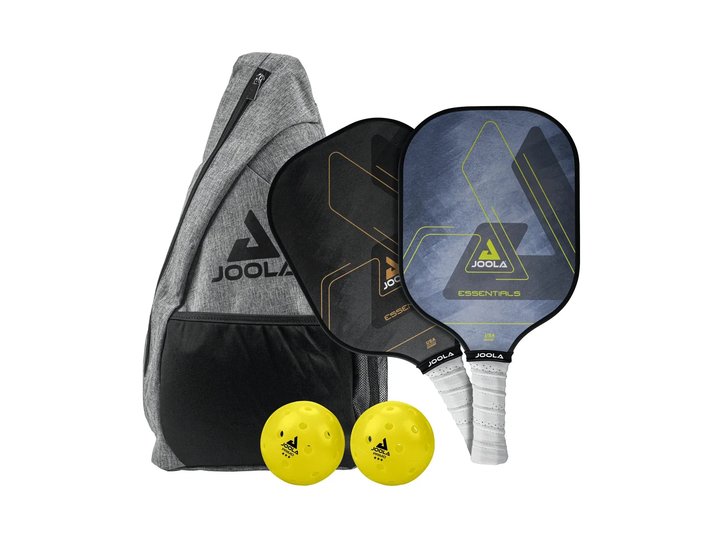
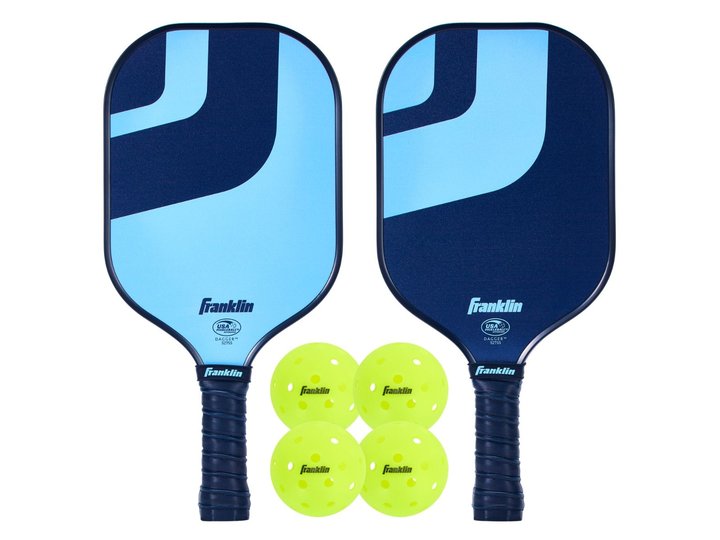
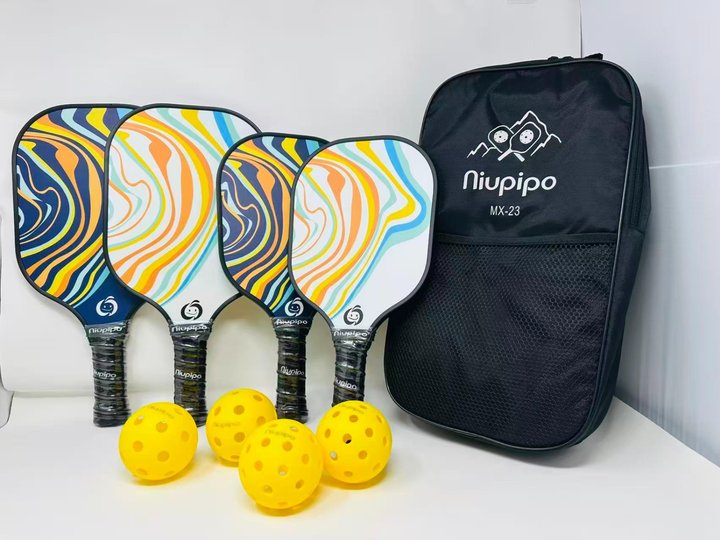
2 or 4 paddles, balls, bag
Sets
Cheaper than buying separately, and the paddles match. Check that the set's sizes match the people.
Quick picks
The short answer for common situations. Each links to the full card below.
The one set with junior-sized paddles for the kids and full-size for the adults.
Compare them
Weights from the makers where published, otherwise from the listing. Youth paddles are rarely on USA Pickleball's approved list, which only matters for sanctioned tournaments.
Product links on this page go to Amazon. If you buy through them, Your First Paddle earns a commission. How we pick and earn
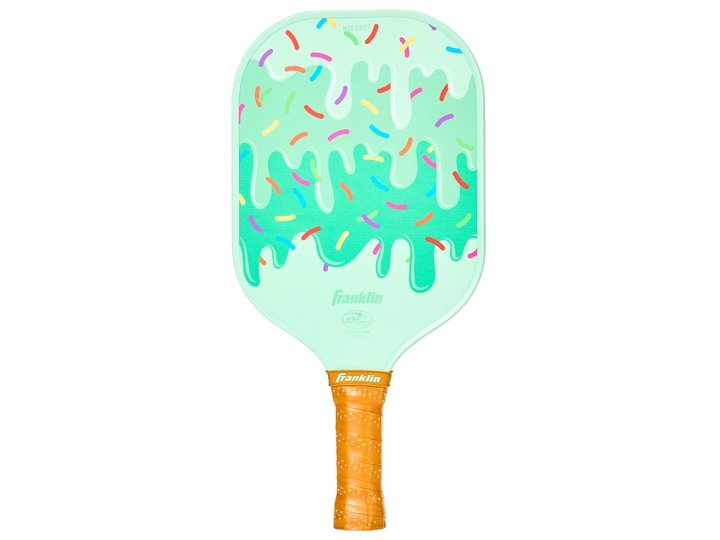
A smaller, lighter version of Franklin's fiberglass paddle, 15.3 inches long with a short handle and a 10 mm core, in kid-friendly prints.
Weight
7.2–7.6 oz
Handle
4.75 in
Size
15.3 × 7.5 in
Face
Fiberglass, MaxGrit
Core
Polypropylene, 10 mm
Ages
Kid / beginner
Suits: Roughly ages 6 to 12, or a small-handed beginner of any age.
Weigh: USA Pickleball lists "Rockstar" as approved, but we could not confirm the youth version is the listed one; it only matters for sanctioned tournaments. 90-day warranty.
Pickleball is one of the few racket sports where a 9-year-old and a grandparent can rally on the first day, because the ball is slow and the court is small. Two things help: an indoor ball, which is softer and bounces lower, even outdoors with young kids; and a lower target than the game itself. Count rallies, not points, for the first few sessions.
Kids' paddles get left in hot cars and dropped on concrete. A cheap paddle that gets replaced in a year beats an expensive one that gets babied.